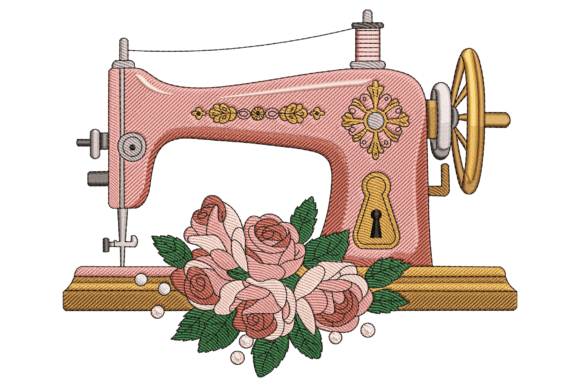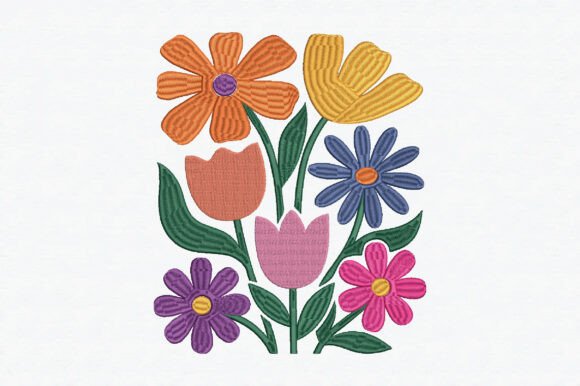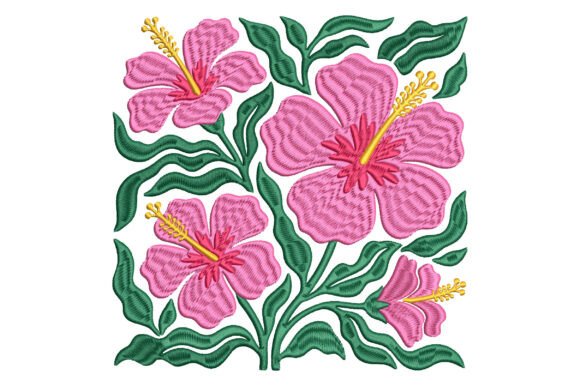
Folk Art Dandelion Design Review
As an embroidery designer who has spent years digitizing files and consulting with small business owners, I have learned that a design is never just about aesthetics. It is a functional asset. When I first reviewed the Folk Art Dandelion Craft Tools Sewing design, my immediate goal was to determine its viability for commercial applications. This is not merely a decorative element; it is a potential cornerstone for brand identity in the sewing and crafting niche. For boutique owners, Etsy sellers, and local creative studios, selecting the right digital embroidery file can make the difference between a generic product and a memorable branded experience.
First Impressions: Visual Personality and Brand Fit
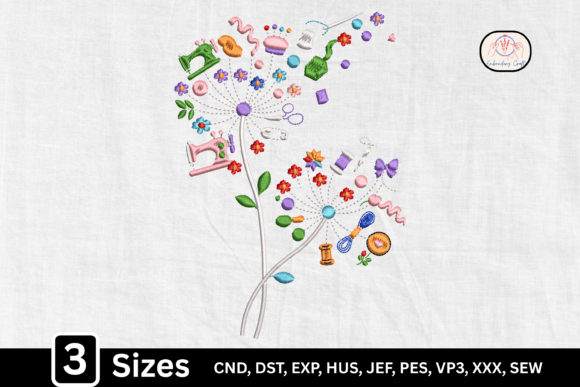
The title itself suggests a specific aesthetic blend. "Folk Art" implies a hand-drawn, rustic charm, while "Craft Tools" grounds the design in utility and profession. Upon visual inspection, this design feels friendly, whimsical, and deeply connected to the handmade community. It does not scream corporate sterility; instead, it whispers creativity and passion. For businesses in the Sewing Crafts category, this visual language is crucial. It signals to customers that the brand values tradition, creativity, and the tactile joy of making.
However, from a professional standpoint, "whimsical" must not mean "messy." A successful commercial embroidery design requires clean lines and balanced spacing. The dandelion motif, often associated with wishes and lightness, pairs surprisingly well with the structured nature of craft tools like scissors or needles. This juxtaposition creates a dynamic visual that is both elegant and playful. It is suitable for brands that want to appear approachable yet professional, such as independent fabric shops, quilting studios, or bespoke tailoring services.
Real-World Applications for Small Business Merchandise
The true test of any machine embroidery design is its versatility across various substrates. Here is how I envision Folk Art Dandelion Craft Tools Sewing performing in real business scenarios:
- Embroidered Patches: This is perhaps the strongest use case. The folk art style translates beautifully to patch form, allowing for bold thread colors and textured fills. These patches can be sold as standalone products or used to embellish denim jackets and canvas bags, adding significant perceived value to the finished product.
- Staff Uniforms and Aprons: For a local bakery, florist, or craft workshop, staff apparel serves as a walking advertisement. Embroidering this design on the chest pocket of an apron creates a cohesive look. It reinforces brand identity without being overly aggressive. The floral and tool elements suggest care and precision, traits customers associate with high-quality service.
- Tote Bag Design: Canvas tote bags are a staple for crafters. A centered placement of this design works well, provided the hoop size is adequate. It transforms a simple bag into a statement piece that celebrates the user’s passion for sewing.
- Cap Embroidery: Using this design on the front panel of a cap requires careful consideration of scale. If the design includes fine details in the dandelion seeds or tool handles, it may need simplification or enlargement to ensure clarity on the curved surface of a cap.
Navigating Technical Challenges in Production
While the aesthetic appeal is strong, practical execution requires attention to detail. Not every fabric or garment is suitable for every design. Here are critical areas where caution is advised when using this embroidery file:
Stitch Density and Fabric Texture: Folk art designs often utilize satin stitches for outlines and fill stitches for depth. On textured fabrics like heavy canvas or terry cloth, fine details can get lost. I recommend testing the design on the exact fabric type intended for production. If the stitch density is too high for lightweight fabrics, it may cause puckering. Always use the appropriate stabilizer—cut-away for stretchy knits and tear-away for stable wovens—to maintain the integrity of the design.
Small Patch Sizes and Lettering: If the design incorporates any text alongside the dandelion and tools, legibility becomes a concern at smaller sizes. Before committing to a large production run, embroider a sample at the smallest intended size. If the threads merge or the text becomes unreadable, consider resizing or removing textual elements for smaller applications like sleeve details or collar tags.
Dark Uniforms and Thread Contrast: The whimsical nature of the design relies on visual clarity. On dark uniforms, ensure that the thread colors chosen provide sufficient contrast. A printable mockup can help visualize this before stitching begins. Sometimes, adding a white underlay or border can help the design pop against darker backgrounds, enhancing professional presentation.
Enhancing Brand Identity and Customer Trust
In the world of small business merch, consistency is key. Using a cohesive set of design assets across various touchpoints builds recognition. The Folk Art Dandelion Craft Tools Sewing design can serve as a visual anchor for a brand. When customers see this same high-quality embroidery on a tote bag, an apron, and a product label, it reinforces professionalism and attention to detail.
Moreover, handmade products carry an emotional weight. By choosing a design that celebrates creativity and sewing passion, businesses connect with their audience on a deeper level. It shows that the brand understands the craft. This emotional connection fosters loyalty and encourages buyer engagement. Customers are more likely to share photos of their purchases on social media if the embroidery is visually striking and meaningful, providing organic marketing for the business.
Practical Notes for the Embroidery Designer
Before integrating this design into your commercial embroidery workflow, follow these essential steps to ensure quality and compliance:
- Test in Black and White: Convert the design to monochrome in your software to check for balance and spacing issues without the distraction of color. This helps identify any areas where stitches may overlap poorly.
- Verify Commercial Licensing: Always confirm the license terms associated with the digital embroidery file. Ensure that your intended use—whether for physical goods or digital mockups—is covered. Protecting your business from legal issues is paramount.
- Check Hoop Size Compatibility: Confirm that the design fits within your standard hoop sizes. If resizing is necessary, do so within the recommended limits to avoid distorting the stitch angles.
- Create a Mockup for Client Approval: If working with a client, present a realistic printable mockup. This allows them to visualize the final product and request adjustments before any thread is wasted.
- Inspect Thread Color Contrast: Choose thread colors that complement the folk art style. Earth tones, soft pastels, or vibrant primaries can work, depending on the brand’s palette. Avoid clashing colors that detract from the design’s charm.
In conclusion, the Folk Art Dandelion Craft Tools Sewing design offers a compelling option for businesses looking to infuse their merchandise with personality and professionalism. By understanding its technical requirements and leveraging its aesthetic strengths, embroidery professionals and small business owners can create standout products that resonate with their audience. Whether used for custom apparel, branded patches, or promotional items, this design has the potential to elevate a brand’s visual presence in the competitive marketplace of handmade goods.