Hibiscus Flowers: A Designer’s Review for Real Projects
As an embroidery designer who spends countless hours digitizing and stitching, I am always cautious about adding new assets to my library. We all know the frustration of downloading a machine embroidery design that looks beautiful in the preview but turns into a bird’s nest of thread breaks and puckering on the hoop. Recently, I came across Hibiscus Flowers on Creative Fabrica, and I decided to put it through its paces before committing it to any paid client work. Here is my honest evaluation of how this design performs in a real-world studio setting.
First Impressions and Visual Appeal
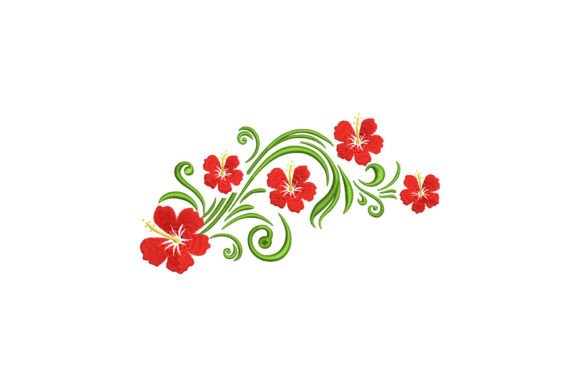
The first thing that struck me about Hibiscus Flowers was its delicate balance between detail and simplicity. Belonging to the Floral Garden category, this piece avoids the overly complex, dense shading that often plagues floral designs. Instead, it offers a subtle touch of charm that feels modern and airy. The visual mood is relaxed and tropical without being kitschy, which makes it incredibly versatile for various demographics.
From a technical standpoint, the stitching personality appears well-thought-out. The petals seem to utilize a mix of satin and fill stitches that follow the natural curvature of the flower, creating a sense of depth without excessive bulk. For those of us who sell handmade products, visual appeal is everything. This design has a clean aesthetic that photographs well, which is crucial for Etsy listings and social media marketing. It does not look like a generic clipart conversion; it feels like a purposeful embroidery file created with the end user in mind.
Practical Application in Commercial Embroidery
I evaluated Hibiscus Flowers with several specific product types in mind. If you are a small business owner or a creative entrepreneur, you need designs that translate well across different mediums. Here is how I see this design fitting into a commercial embroidery workflow:
- Custom Apparel: The scale of the hibiscus seems ideal for left-chest placement on polo shirts or larger placements on the back of linen button-downs. It adds a boutique feel to custom apparel without overwhelming the garment.
- Tote Bag Design: Canvas totes are a staple for craft fairs. This floral motif would look stunning centered on a natural cotton tote, perhaps paired with a simple monogram. The organic shapes complement the rustic texture of canvas beautifully.
- Sweatshirt Embroidery: For cooler months, placing this design on the sleeve or cuff of a crewneck sweatshirt creates a subtle, high-end look. It is less intrusive than a large chest graphic, appealing to customers who prefer understated style.
- Kitchen Towels and Aprons: Because the design exudes a fresh, natural vibe, it is perfect for home goods. Stitching this on waffle-weave towels or linen aprons can instantly elevate a basic item into a giftable product.
When considering commercial embroidery, versatility is key. Hibiscus Flowers does not feel tied to a single season. While it screams summer, its elegant execution allows it to work for spring bridal showers or even tropical-themed winter escapes. This longevity increases the return on investment for your digital embroidery file purchase.
Technical Considerations and Stitching Performance
No review is complete without discussing the technical realities of stitching. While I cannot provide exact stitch counts or file formats as they vary by vendor listing, I can offer guidance based on the visual complexity of the design. Here are critical factors to consider before hooping:
Fabric and Stabilizer Choice: Floral designs often rely on smooth transitions between colors. To achieve this, your stabilizer game must be on point. For stretchy fabrics like jersey knits used in T-shirts, a cut-away stabilizer is non-negotiable to prevent distortion. For woven fabrics like linen or cotton twill, a tear-away might suffice, but always test on scrap fabric first. The stitch density in floral petals can sometimes cause puckering if the fabric is too lightweight or unsupported.
Thread Colors and Contrast: Hibiscus flowers are traditionally vibrant, but this design’s charm lies in its subtlety. I recommend experimenting with thread colors beyond the standard reds and pinks. Try tonal variations—such as blush, coral, and cream—to create a sophisticated, muted palette that appeals to modern buyers. Always check thread color contrast against your fabric. On dark fabric, you may need to adjust underlay stitches or use a lighter top thread to ensure the details pop.
Hoop Size and Placement: Before starting, confirm the hoop size required for the specific file version you download. If you are working with smaller hoops, ensure the design fits without compromising the integrity of the outer petals. For curved surfaces like caps, be cautious. While an embroidered patch approach might work better for hats, direct stitching on a cap requires careful hooping and potentially a softer backing to avoid stiffness.
Enhancing Product Value and Brand Consistency
Why choose Hibiscus Flowers over a free design found elsewhere? The answer lies in quality control and brand consistency. When you use a professional Creative Fabrica embroidery asset, you are investing in a cleaner finished product. Fewer thread breaks mean less time spent trimming and re-stitching, which directly impacts your profit margin.
Furthermore, using high-quality design assets helps build buyer trust. Customers can spot poor digitization from a mile away—jagged edges, uneven fills, and messy backsides detract from the perceived value of a personalized gift. By using a well-digitized floral design, you signal that you care about quality. This attention to detail enhances your brand consistency, making your shop look more professional and curated.
For those creating printable mockups, this design renders beautifully in digital previews. You can showcase how the satin stitch highlights catch the light, helping customers visualize the texture of the finished product before they buy. This visual engagement can significantly boost conversion rates on platforms like Etsy.
Final Verdict and Best Practices
Is Hibiscus Flowers worth adding to your library? For designers looking to expand their floral repertoire with something that feels both classic and contemporary, yes. It is particularly suited for those focusing on lifestyle brands, beachwear, or home decor.
Before you begin your next project, remember these best practices:
- Check File Details: Always review the product page on Creative Fabrica for specific file formats, hoop sizes, and license terms. Ensure the license covers commercial use for the number of items you plan to sell.
- Test Stitch: Never skip the test stitch on a similar fabric scrap. Check for registration issues between color stops and inspect small details after stitching.
- Consider the End Use: If the item needs frequent washing, such as a kitchen towel or baby blanket, ensure your thread choice is colorfast and your stabilizer is durable enough to withstand laundering.
- Mockup Variations: Create mockups on both light and dark fabrics to see how the design adapts. This helps you market the versatility of your custom apparel offerings.
In conclusion, Hibiscus Flowers is a strong contender for your next handmade product line. It balances aesthetic charm with practical usability, making it a reliable tool for embroidery designers and crafters alike. By paying attention to stabilizer choices and thread contrasts, you can turn this digital asset into a standout physical product that delights your customers.