Reviewing Floral Leaves Embroidery Design for Holiday Sales
As an embroidery designer who spends countless hours digitizing and testing patterns, I approach every new machine embroidery design with a critical eye. It is not just about whether the stitches look good on my screen; it is about how that design will perform in the hands of a busy Etsy seller or a home crafter preparing for the holiday rush. Recently, I reviewed the Floral Leaves Embroidery Design, and I want to share my practical assessment of how this piece fits into a seasonal product strategy.
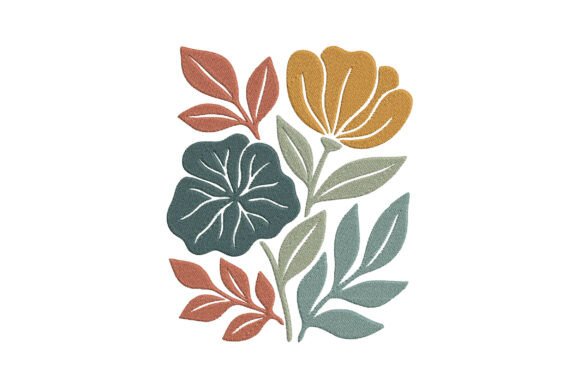
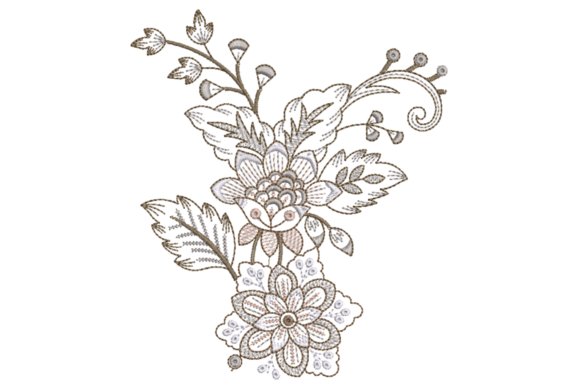
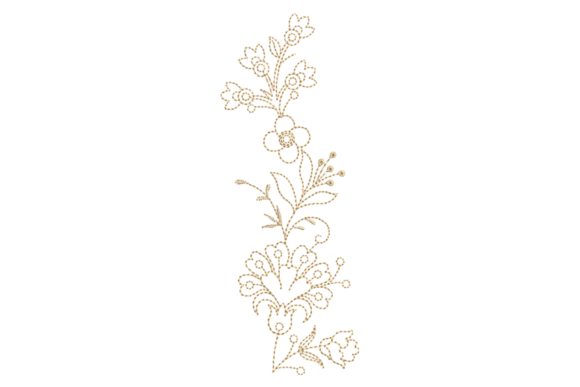
This design falls under the category of Single Flowers Plants, but do not let that simple classification fool you. The composition combines beautiful flowers with soft, flowing leaves to create a natural and elegant aesthetic. For those of us creating seasonal embroidery collections, finding a balance between intricate detail and stitch efficiency is crucial. This design offers a fresh botanical feel that works perfectly for a wide range of applications, from cozy winter home decor to spring-inspired apparel.
First Impressions: Mood and Aesthetic Appeal
When I first loaded the embroidery file into my software, the immediate impression was one of understated elegance. Unlike bold, graphic holiday motifs that scream for attention, this design whispers. It feels romantic, rustic, and slightly nostalgic. The flow of the leaves suggests movement, which adds a dynamic quality to the static nature of stitched thread.
For holiday product creators, this mood is versatile. It does not scream "Christmas" in the traditional red-and-green sense, which is actually a strength. It allows you to pivot the design for various celebrations. By changing the thread colors, you can transform this single motif into a centerpiece for Valentine’s Day gifts, Mother’s Day bouquets on fabric, or even a subtle accent for autumn harvest decor. The emotional tone is calming and premium, which appeals to buyers looking for high-quality handmade gift items rather than mass-produced novelty goods.
Strategic Product Applications for the Season
The true test of any design is its versatility across different substrates. Here is how I see the Floral Leaves Embroidery Design performing in real-world selling situations:
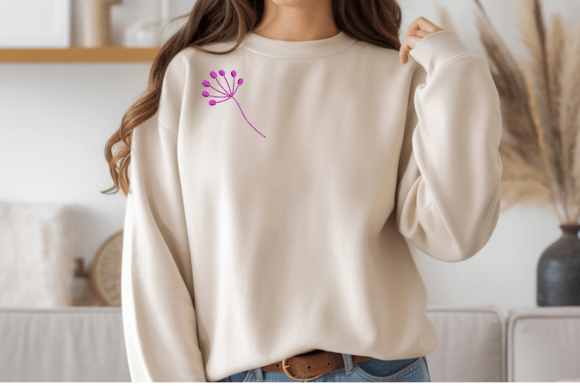
- Sweatshirt Embroidery: This is perhaps the strongest application. Placed on the left chest or as a larger back piece, the organic lines complement the soft texture of fleece and cotton blends. It creates a boutique look that justifies a higher price point for your small shop product.
- Tote Bag Design: Canvas totes are holiday staples for gift-giving. The natural theme of the floral leaves pairs beautifully with eco-friendly messaging. Ensure you use a heavy cut-away stabilizer to prevent puckering on the loose weave of canvas.
- Kitchen Towel Embroidery: Hostess gifts are huge during the holiday season. Stitching this design on the corner of linen or cotton towels adds a touch of sophistication. However, be mindful of the fabric texture; lighter towels may require a tear-away stabilizer that removes cleanly without damaging delicate fibers.
- Pillow Cover and Home Decor: A centered floral motif on a neutral pillow cover creates an instant focal point. This works well for "refreshing" home decor for the new year, appealing to buyers who want to transition from heavy winter themes to lighter, airier aesthetics.
- Embroidered Patch: If you offer accessories, consider stitching this onto twill backing to create iron-on patches. These are excellent add-on items for checkout counters, increasing your average order value.
Navigating Technical Challenges and Limitations
While the design is beautiful, experienced embroiderers know that every file has its quirks. When planning your holiday embroidery production, there are specific areas where you must exercise caution.
First, consider the hoop size. Since the exact dimensions are not specified in the brief, you must check the file details before purchasing. If the design is large, it may not fit on standard cap frames or small ornament hoops. Always verify the maximum width and height to ensure it fits your intended product.
Second, pay attention to stitch density. Flowing leaves often involve satin stitches or dense fill areas. On stretchy garments like performance tees or thin knits, high density can cause tunneling or distortion. I recommend testing on scrap fabric identical to your final product. If the design feels stiff, consider using a water-soluble topping to keep the stitches flat and prevent them from sinking into plush fabrics like velvet or terry cloth.
Dark fabrics present another challenge. If you plan to stitch this on navy or black sweatshirt embroidery blanks, you may need to adjust the color palette. Light pastels might not pop enough, while bright whites could look stark. Consider using variegated threads to add depth and dimension, mimicking the natural shading found in real botanicals.
Boosting Seasonal Appeal and Buyer Emotion
In the crowded marketplace of digital goods, emotional connection drives sales. The Floral Leaves Embroidery Design aids in building customer trust and brand consistency. Because the style is elegant and timeless, it signals quality. Buyers perceive embroidered items as more durable and valuable than printed ones.
For personalized gift creators, this design serves as an excellent base. Imagine adding a monogram beneath the floral arrangement or combining it with a short phrase like "Bloom" or "Grow." This customization increases the perceived value, making it a perfect candidate for bridesmaid proposals, birthday gifts, or commemorative items.
Furthermore, this design is highly "instagrammable." The natural lines photograph well, especially in natural light. When creating your printable mockup or social media previews, stage the finished product with complementary elements like dried flowers, wooden textures, or warm lighting. This visual storytelling helps customers imagine the item in their own homes, boosting engagement during the critical holiday shopping period.
Practical Designer Notes for Production
Before you list this as a commercial embroidery product, follow these practical steps to ensure success:
- Test Thread Colors: Do not rely solely on the default color map. Create a physical stitch-out on both light and dark fabrics to see how the colors interact with the material.
- Check Stabilizer Compatibility: Match your stabilizer to the fabric weight. Heavy denim needs different support than lightweight chiffon.
- Verify Licensing: Always confirm the license terms of the digital embroidery file. Ensure you have the right to sell finished products if you are running a business.
- Inspect Small Details: After stitching, check the tips of the leaves and the centers of the flowers. Look for any loose threads or jumps that need trimming. A clean finish is what separates amateur work from professional grade.
- Plan Color Palettes: Create three distinct color variations for your shop listings. For example, a "Winter White" version, a "Spring Pastel" version, and an "Autumn Earth Tone" version. This shows versatility and helps customers visualize the design in different seasons.
In conclusion, the Floral Leaves Embroidery Design is a strong contender for your seasonal lineup. Its balanced composition and natural elegance make it adaptable for everything from tote bag design to high-end apparel. By paying attention to technical details like hoop size and stabilizer choice, you can leverage this design to create stunning, sellable products that resonate with buyers looking for beauty and quality in their holiday shopping.