Reviewing the Embroidery Hoop Mockup for Custom Gifts
As an embroidery designer who has spent years digitizing patterns and testing threads on various fabrics, I know that the gap between a digital embroidery file and a satisfied customer is often bridged by presentation. We spend hours perfecting stitch density and choosing the perfect thread colors, but if our product photos do not convey the warmth and quality of the handmade item, sales can suffer. Recently, I had the opportunity to test the Embroidery Hoop Mockup, a tool from the Home Living Mockups category, to see how it performs for a personalized gift shop. My goal was simple: determine if this graphic could help me visualize and sell custom orders more effectively before I even stitched a single needle.
First Impressions: Mood and Aesthetic Appeal
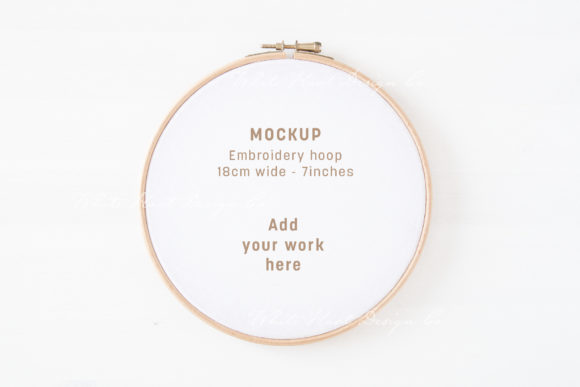
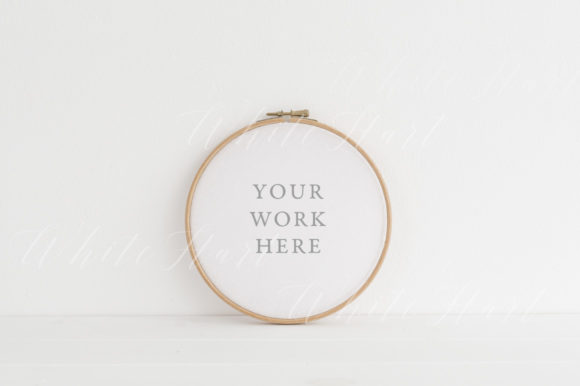
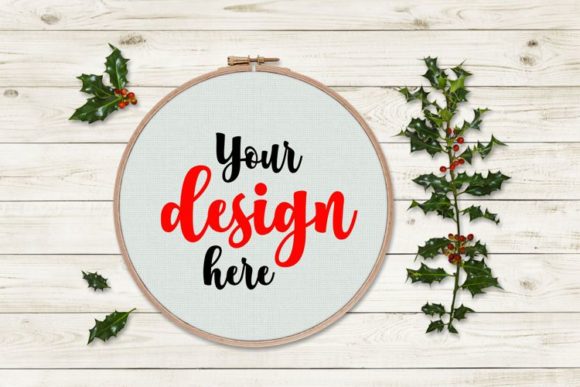
When I first opened the Embroidery Hoop Mockup, I was struck by its understated elegance. It does not scream for attention; rather, it invites the viewer to look closer. The mood is distinctly sweet and classic, with a touch of modern minimalism that appeals to today’s conscious consumer. For those of us creating handmade products, the aesthetic is crucial. This mockup feels organic and grounded, avoiding the sterile look of some digital templates. It captures the charm of a finished product sitting on a wooden table or a soft linen surface, evoking a sense of home and comfort.
The detail level is impressive without being overwhelming. You can sense the texture of the fabric and the subtle shadows cast by the hoop, which adds depth and realism. This emotional appeal is vital for sellers on platforms like Etsy, where buyers are looking for a connection to the maker. Whether you are designing for a nursery, a kitchen, or a wedding keepsake, this mockup provides a neutral yet warm canvas that lets your design shine. It feels authentic, which is exactly what customers want when they are investing in a personalized gift.
Versatility for Baby, Wedding, and Home Decor
One of the strongest aspects of this tool is its versatility. In my review, I imagined several real-case scenarios to test its limits. First, consider baby embroidery. New parents are often looking for sentimental items like blanket embroidery or nursery decor. By placing a delicate name or a small animal motif into the hoop, the mockup instantly transforms a simple digitized pattern into a cherished heirloom. It helps the buyer visualize how a tiny onesie or a soft muslin square might look as part of a curated gift set.
For wedding gift designers, the application is equally powerful. Imagine a monogrammed handkerchief or a commemorative date stitched onto a fine linen. The Embroidery Hoop Mockup allows you to present these ideas professionally. It elevates the perceived value of the item, making it feel like a high-end boutique product rather than a casual craft. This is essential for small shop owners who need to justify pricing based on the time and skill involved in custom embroidery.
I also tested it for home living items such as an embroidered towel, pillow cover, or apron. The mockup works beautifully for these larger textiles because it frames the design in a way that highlights the craftsmanship. For tote bags and craft fair products, having a consistent visual style across your listings can build brand recognition. This graphic serves as a cohesive element that ties together a diverse range of products, from kitchen linens to wall art.
Navigating Design Limitations and Fabric Textures
While the mockup is a powerful tool, it is not a magic wand. As a designer, I must advise caution when using it for certain types of designs. Small lettering and delicate details can sometimes get lost if the resolution of your inserted artwork is not high enough. When working with textured fabric simulations, intricate stitches may blur together visually. It is important to remember that this is a printable mockup designed to create an illusion, not a replacement for physical sampling.
You should be particularly careful when simulating designs on dark fabric or thick towels. The lighting in the mockup may not accurately represent how thread colors pop against deep backgrounds. Similarly, stretchy baby clothes or curved surfaces like pillow covers require a keen eye. If your design is distorted in the mockup, it might indicate that the placement needs adjustment in your digitizing software. Always compare light and dark fabric mockups to ensure your thread color contrast is sufficient. If the details look muddy in the graphic, they will likely look muddy in real life, so use this stage to refine your stitch density and simplifying complex elements if necessary.
Impact on Giftability and Customer Trust
From a business perspective, the Embroidery Hoop Mockup significantly enhances giftability. When a customer sees a realistic representation of their custom order, their confidence increases. It bridges the trust gap that often exists in online shopping for handmade goods. Buyers want to know that the final product will match their expectations. By providing a clear, attractive preview, you reduce hesitation and potential returns.
This tool also boosts buyer engagement. Listings with high-quality visuals tend to perform better in search results and social media feeds. For an Etsy seller, standing out is competitive. Using a professional-looking mockup signals that you take your craft seriously. It suggests a level of professionalism that reassures customers they are dealing with an experienced maker. The emotional connection formed through a beautiful image can be the deciding factor in a purchase, turning a browser into a loyal customer.
Practical Notes for Embroidery Designers
Before you rely solely on this digital tool for your commercial embroidery business, there are practical steps you must take. First, always test your design on scrap fabric. No mockup can replicate the true feel of the stabilizer or the pull of the thread on specific materials. Check your hoop size physically to ensure the design fits within the actual dimensions of the hoops you plan to use. The mockup may show a standard size, but your machine might have different constraints.
Review your stitch density carefully. What looks balanced on a screen might be too dense for lightweight fabric, causing puckering. Use proper stabilizer techniques during your physical tests to confirm the durability of the finished product, especially for items that need frequent washing like kitchen towels or baby clothes. Confirm commercial licensing before selling finished products or using the mockup in your marketing materials. Since the product description mentions it is easy to use and designed for inserting your own artwork, ensure you understand the terms of use for the Graphics provider.
If details such as exact file formats or specific license terms are missing from the product page, advise yourself to check them directly with the creator. Do not assume that a digital embroidery file or mockup is free for unlimited commercial use without verification. Finally, remember that while the Embroidery Hoop Mockup is an excellent planning and marketing aid, it is the quality of your actual stitching that will keep customers coming back. Use this tool to enhance your presentation, but let your skilled needlework deliver the promise.
In conclusion, integrating this mockup into your workflow can streamline your design process and elevate your brand presence. It is a valuable asset for any small business owner looking to showcase their creativity in the best possible light. By combining this visual tool with rigorous physical testing and attention to detail, you can create a seamless experience for your customers, from the first click to the unboxing of their personalized treasure.