Wildflower Embroidery Design Review
As an embroidery designer who has spent years digitizing and testing files for commercial use, I approach every new machine embroidery design with a critical eye. It is not just about whether a pattern looks pretty on a screen; it is about how it performs under the needle, how it holds up after washing, and most importantly, how it elevates a brand. Recently, I evaluated the Wildflower Embroidery Design, a piece categorized under Single Flowers Plants, to determine its viability for small business merchandise and branded applications. My goal was to see if this botanical composition could serve as a versatile asset for apparel decorators, Etsy sellers, and boutique owners looking to add a touch of nature-inspired elegance to their product lines.
First Impressions: Elegance Meets Natural Charm
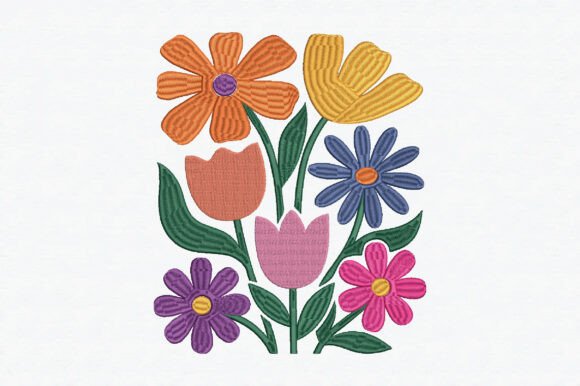
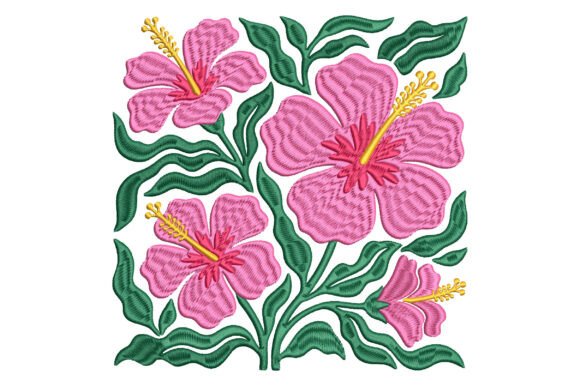
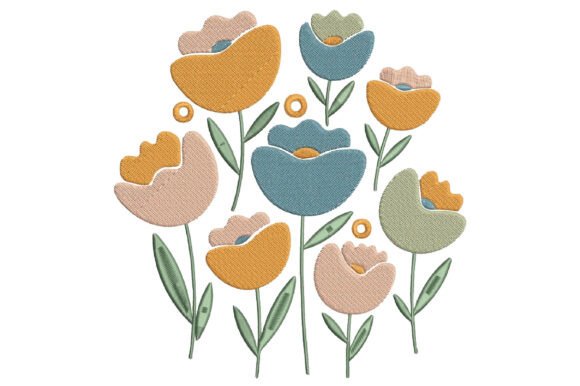
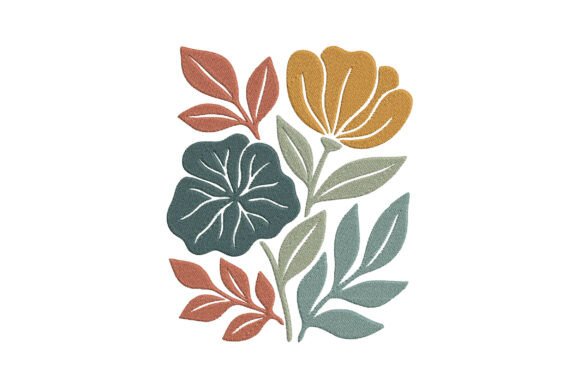
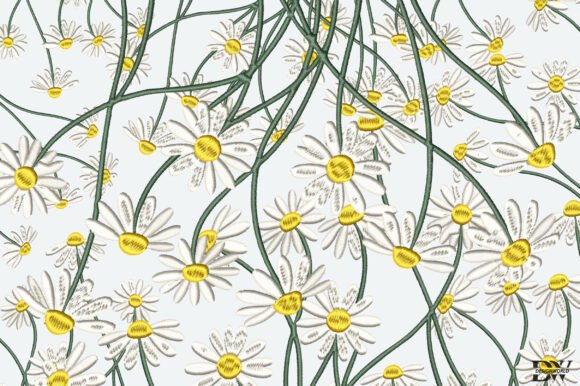
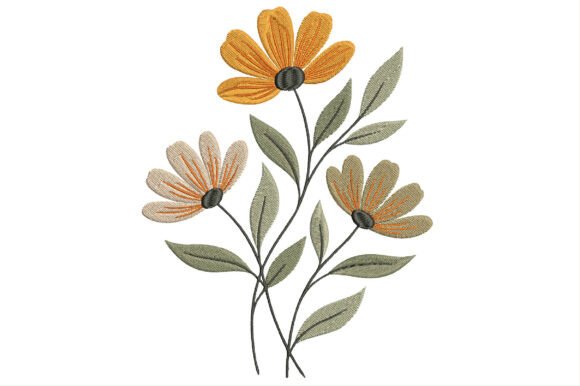
The first thing that strikes you about the Wildflower Embroidery Design is its delicate balance. The description highlights a beautiful arrangement of delicate flowers and leaves, creating a natural and elegant botanical composition. From a design perspective, this suggests a soft, organic flow rather than rigid geometric structures. For brands in the lifestyle, wellness, or artisanal sectors, this visual personality is invaluable. It feels handmade yet refined, avoiding the cluttered look that often plagues complex floral digitizations.
The soft color palette mentioned in the product details is a significant advantage. In commercial embroidery, overly saturated or contrasting thread colors can sometimes look cheap or dated. A muted, natural palette allows the design to integrate seamlessly into various fabric backgrounds, from crisp white cotton shirts to earthy linen tote bags. This versatility makes it an excellent candidate for businesses aiming for a premium, understated aesthetic.
Real-World Applications for Small Business Merch
When considering where to apply this digital embroidery file, the possibilities are extensive for those in the custom apparel and handmade product markets. Here is how I envision this design performing in real business scenarios:
- Branded Patches: This is perhaps the strongest use case. The intricate details of the leaves and flowers translate beautifully into an embroidered patch. These can be sewn onto denim jackets, canvas backpacks, or used as removable branding elements for pop-up shops.
- Café and Bakery Aprons: For local businesses like florists, bakeries, or coffee shops, staff uniforms are walking advertisements. Placing this design on the chest pocket area of an apron adds a touch of warmth and professionalism. It signals care and attention to detail, which resonates with customers.
- Tote Bag Design: Eco-friendly brands love botanical motifs. Embroidering this wildflower arrangement on a heavy canvas tote creates a high-value item that customers are proud to carry. It transforms a simple bag into a statement piece.
- Cap Embroidery: While detailed designs can be tricky on curved surfaces, the organic shape of these flowers can work well on the side panel of a dad hat or baseball cap, offering a subtle alternative to the standard front-center logo.
For Etsy sellers and crafters, this design serves as a powerful tool for creating cohesive design assets. Whether you are selling finished goods or offering custom embroidery services, having a reliable, high-quality floral motif in your library allows you to quickly prototype new products for seasonal launches.
Technical Considerations and Production Notes
While the aesthetic appeal is strong, any experienced embroiderer knows that technical execution is where projects succeed or fail. Before running a full production batch, there are several critical factors to evaluate with the Wildflower Embroidery Design.
Stitch Density and Fabric Texture: The description notes "fine stitching details." This implies a potentially lower stitch density, which is great for preventing puckering on lightweight fabrics like chiffon or thin cotton. However, on textured fabrics like terry cloth or heavy wool, fine details might get lost. I recommend testing the design on the specific fabric texture you plan to use. If the fabric is too rough, the delicate leaves may not stand out clearly.
Hoop Size and Placement: Since the exact hoop size is not specified in the brief, you must check the dimensions of the embroidery file before purchasing. If the design is large, it may require a 5x7 or 6x10 hoop, limiting its use on smaller items like pocket squares or narrow cap brims. Always confirm the hoop size compatibility with your machine.
Stabilizer Selection: To maintain the integrity of the fine lines, using the correct stabilizer is non-negotiable. For stretchy fabrics like jersey tees, a cut-away stabilizer is essential to prevent distortion. For woven fabrics like tote bags, a tear-away might suffice, but a light fusible interfacing could provide extra support for the detailed areas.
Thread Color Contrast: The soft color palette is beautiful, but ensure there is enough contrast between the thread and the garment. Embroidering pale yellow flowers on a cream shirt will result in a invisible design. Always create a printable mockup or do a physical test stitch to verify visibility.
Enhancing Brand Identity and Customer Trust
Using a high-quality design like this directly impacts your brand identity. In the world of small business merch, consistency is key. If your brand values sustainability, nature, and craftsmanship, the Wildflower Embroidery Design reinforces those messages visually. Customers associate the quality of the embroidery with the quality of your overall business. A clean, well-digitized floral element suggests professionalism and care, building trust with your audience.
Furthermore, unique embroidery sets you apart from competitors who rely solely on printed graphics. Embroidered items have a tactile quality that invites touch and engagement. When a customer receives a product with this level of detail, it feels like a premium finished product, justifying a higher price point and encouraging repeat purchases.
Where to Use Caution
Despite its strengths, this design is not suitable for every application. Avoid using it on items that undergo extreme abrasion or frequent industrial washing unless you reinforce the stitching significantly. Additionally, be cautious with very small patch sizes. If the design is scaled down too much, the "fine stitching details" may merge, causing the flowers to look like undefined blobs. Always test the minimum viable size before committing to production.
Also, consider the licensing. Before using this for commercial embroidery projects, confirm the license terms. Ensure you have the right to sell physical products featuring this design, as some digital files are for personal use only.
Final Verdict for Designers and Makers
The Wildflower Embroidery Design is a strong contender for businesses looking to add a touch of botanical elegance to their merchandise. Its strength lies in its versatility and refined aesthetic. By carefully selecting the right fabrics, stabilizers, and placement, you can leverage this design to create standout apparel, accessories, and branded gifts. Remember to test thoroughly, check your file specifications, and align the design with your brand’s visual story. When executed correctly, this floral composition can become a signature element of your small business’s visual identity.